December 26, 2025
When winter comes, cold weather can cause many problems for your home. The garage door system is one area that can experience trouble due to falling temperatures. In cold weather, the garage door may be harder to open or close, which can be particularly frustrating.
However, if problems do occur, it’s crucial to know when to call for repair. Issues such as a malfunctioning opener or a door that won’t budge may require professional attention. Keeping an eye on your garage door’s functionality is essential, as timely repairs can prevent larger problems down the line. By staying proactive and addressing any concerns before they escalate, you ensure that your garage door operates smoothly throughout the winter months.
Understanding the Importance of Winter Garage Door Maintenance for Homeowners in Winston-Salem
For homeowners in Winston-Salem, it’s smart to follow some basic garage door maintenance tips before winter comes. Doing this can help you avoid sudden problems and may even lower your energy bills by keeping cold air out of your garage.
Preparing your garage door for colder weather ensures it works properly and remains safe to use. You can have peace of mind knowing it will open and close as it should. If you ever need assistance, a garage door company in Winston-Salem can answer your questions and address any issues you may have.
Learn why garage doors tend to fail more often in the colder months by reading: Why Do Garage Doors Fail More Often During Winter?
The Impact of Seasonal Changes on Garage Door Performance and Longevity
The start of winter brings significant changes in the weather that can significantly affect the performance and lifespan of your garage door parts. Cold temperatures make metal parts shrink. This may cause the tracks to misalign and put additional stress on your garage door system.
Snow and ice can bring extra moisture, which may seep into small cracks and cause water damage or rust. This can weaken critical garage door components, leading to breakdowns over time. If the door becomes stiff or misaligned, the garage door opener has to work harder, accelerating wear and potentially causing the door to fail sooner than expected.
If you notice any of these issues, it’s a good idea to consult a garage door professional. They can identify the problem and help prepare your garage door system for winter. A thorough inspection will reveal weak spots and allow repairs before they turn into major problems. This is a key reason why garage doors are more likely to break down during the winter months.
See how winter conditions put extra strain on your garage door system and affect its performance by reading: Why Winter Conditions Put Extra Strain on Your Garage Door System.
Essential Winter Garage Door System Inspections
Checking your garage door system is essential before winter. It allows you to identify minor problems before they become bigger issues. Using a simple garage door maintenance checklist helps you inspect each component and look for potential trouble.
When examining your garage door, pay close attention to all moving parts. Look for signs of wear, such as frayed cables or cracked rollers. This careful inspection helps ensure your garage door continues to operate smoothly, even in cold weather. In the following sections, you will learn which garage door components to check most closely.
Find out how to protect your garage door from harsh winter weather and keep it running smoothly by reading: How To Shield Your Garage Door System From Harsh Winter Weather.
Critical Components to Focus On During Seasonal Garage Door Checks
When checking your garage door for the season, pay extra attention to a few key parts. These components ensure your garage door operates smoothly and remains safe. The garage door springs are especially important, as they support the weight of the door. Make sure they are in proper working condition.
Inspecting these parts before winter helps prevent problems when you need your garage most. Keep the door’s path clear so nothing obstructs its movement.
Here are a few key components to check:
- Garage Door Springs and Cables: Examine the torsion springs and cables for signs of rust or wear. These parts help lift the door and must be in good condition.
- Rollers and Roller Brackets: Look for cracks or chips in the rollers. Ensure the roller brackets that hold them are tight and secure.
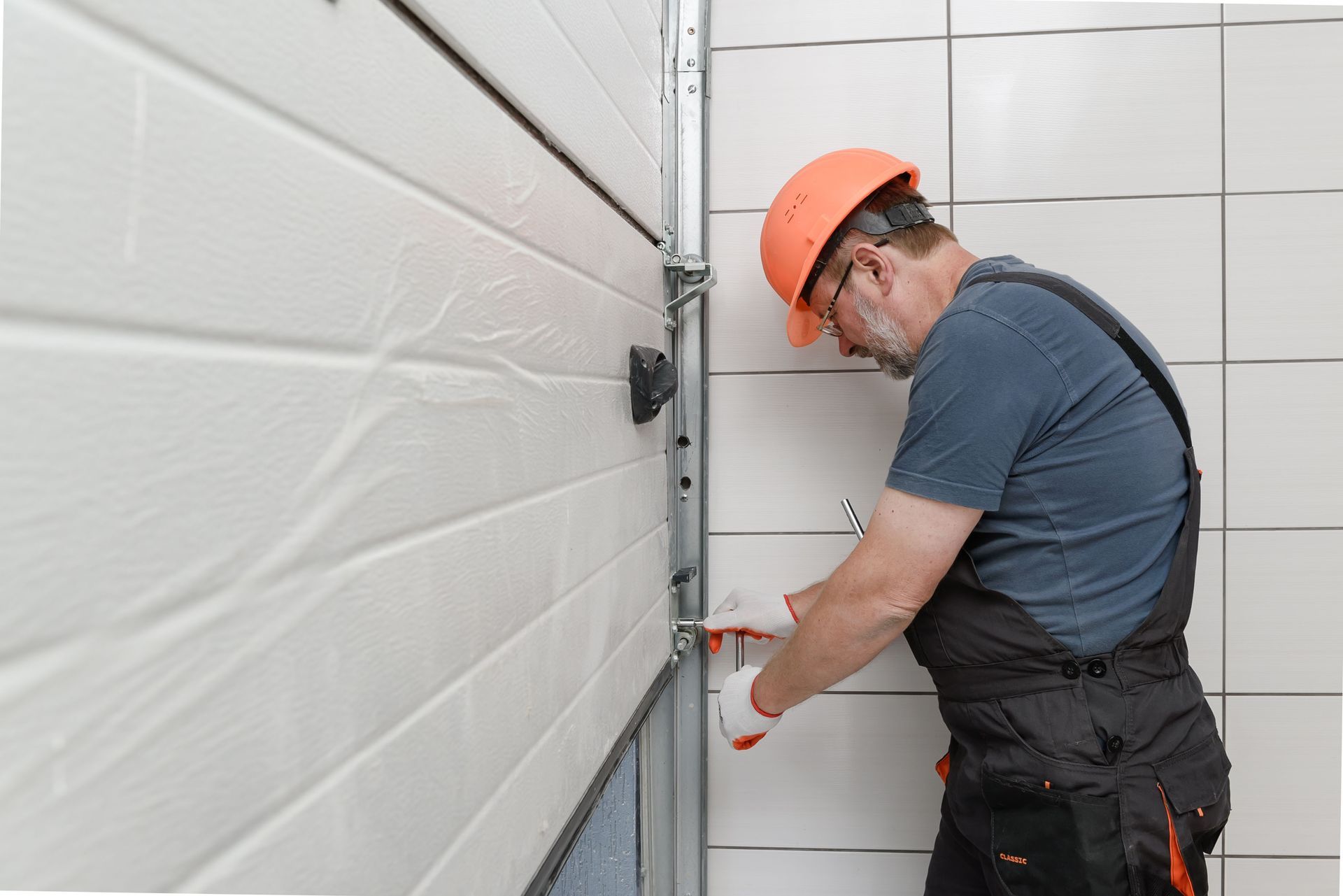
- Hinges and Hardware: Inspect all hinges and bolts. Tighten any loose bolts to keep your garage door stable and reliable.
- Garage Door Opener: Test the opener’s auto-reverse safety feature. It should function properly to prevent accidents if something is in the door’s path.
For practical guidance on preventing accidents and maintaining secure garage doors, explore the homeowner resources offered by the National Association of Realtors .
Which Parts Require Professional Evaluation for Optimal Winter Performance?
Some tasks involved in checking your garage door can be simple, but certain components can be dangerous. The overhead springs and cables are under high tension, and attempting to adjust or repair them without proper training and tools can result in serious injury.
A garage door professional or trained technician has the expertise to work safely with these high-tension parts and ensure the system remains balanced. Trying to handle this work on your own is risky and could lead to harm. That’s why scheduling a service with an experienced garage door expert is the safest way to care for these essential components.
For practical strategies to protect yourself and your family from winter-related risks, explore the guidance shared by the Centers for Disease Control and Prevention .
Key Winter Garage Door Maintenance Practices Recommended in Winston-Salem
Performing routine maintenance is one of the best ways to keep your garage door functioning properly and lasting longer in winter. Preventive maintenance ensures that simple but important tasks are completed, such as tightening loose hardware and checking your garage door insulation to keep it in good condition.
These steps help your garage door withstand the harsh winter weather in Winston-Salem. A well-maintained door will continue to operate smoothly and can also improve your home’s energy efficiency. Working with a trusted garage door company can make your maintenance even more effective. The sections below provide additional cleaning and weatherproofing tips to help you take proper care of your door.
Cleaning Tracks, Rollers, and Panels to Enhance Winter Operation
Keeping the metal parts of your garage door clean helps ensure everything works smoothly during winter. Dirt and grime can build up over time, slowing down the door’s movement. Use a damp cloth to wipe the tracks and remove debris that accumulates throughout the year.
After cleaning, apply white lithium grease to moving components such as hinges and rollers. This reduces friction, prevents noisy operation, and keeps all parts moving smoothly even in cold weather. Greasing also helps prevent rust from forming.
To keep your garage door in good working order, follow these steps:
- Wipe down the inside of the tracks with a damp cloth to remove dirt.
- Clean the rollers and hinges to remove any stuck-on grime.
- Check the door panels for dirt and wash them using a mild soap.
- Apply a silicone-based or white lithium grease to every moving metal part.
Weatherstripping and Insulation for Enhanced Winter Protection
To prepare your garage for winter, it’s important to focus on keeping out cold air. The most effective ways to do this are with weatherstripping and garage door insulation. These measures not only block cold air but also help reduce energy bills.
Proper insulation and seals make your garage more comfortable and protect important garage door components from water and freezing temperatures. The following sections of this guide will explain how weatherstripping and insulation can help make your garage ready for winter.
The Role of Weatherstripping in Preventing Cold Air and Moisture Infiltration
Good weatherstripping along the sides and bottom of your garage door is essential during winter. The seal helps prevent cold air from entering your garage, keeping the interior temperature more stable and reducing the workload on your heating system.
The bottom seal is especially important, as it blocks snow, ice, and water from coming inside. This helps keep floors dry and safe while preventing water damage to your garage. If the seal is old, cracked, or worn, it won’t provide adequate protection against winter weather.
Before winter, inspect your weatherstripping for cracks or brittleness. If you find any damage, it’s a good idea to replace the seal. This simple step can prevent garage door problems and give you peace of mind during the cold months.
Upgrading Insulation for Improved Garage Comfort During Chilly Months
Installing or upgrading your garage door insulation is an excellent way to enhance comfort and energy efficiency during the winter months. Whether you have steel doors or wood doors, adding an insulation layer helps regulate the temperature inside your garage, making the space more usable and protecting stored items.
This improvement also reduces the strain on your door mechanism, as a warmer garage environment prevents metal components from becoming stiff and difficult to move. Greater energy efficiency is another major benefit, as an insulated door minimizes heat loss from your home, especially if the garage is attached.
When Should You Call a Garage Door Repair Specialist?
Routine checks are helpful for maintaining your garage door, but some problems require a repair specialist—especially in cold weather. Issues like a broken garage door spring or a malfunctioning garage door opener are difficult to fix and can be dangerous to handle without proper training.
If your garage door shows serious problems or stops working, it’s best to have a professional inspect it. This inspection will determine whether repairs or a full replacement are needed. Knowing the warning signs in advance helps you decide when to seek expert help for garage door issues.
Signs That Professional Maintenance Is Needed for Reliable Winter Functionality
Knowing when your garage door needs professional help is the best way to prevent unexpected breakdowns and keep everyone safe. Strange noises, such as grinding or loud popping that don’t go away, are signs that something is wrong beneath the surface—lubrication alone won’t fix it.
A garage door that jerks while moving up or down can also indicate a problem. This may be caused by the springs, the opener, or the door being misaligned. When you notice this type of wear, don’t wait—ignoring it can worsen the damage or even break the system. It’s also a good idea to test the safety features by placing a piece of wood in the door’s path; the door should reverse instead of closing.
Here are signs that professional service is needed:
- The door feels heavier than usual when lifted by hand.
- There is visible damage, such as frayed cables or gaps in the torsion springs.
- The door moves unexpectedly or doesn’t close completely.
- Loud noises persist even after cleaning and lubrication.
If you notice any of these issues, have your garage door checked by a professional. Doing so helps ensure your door operates safely and reliably for everyone in your home.
Taking care of your garage door in winter is essential to ensure it works properly and lasts longer. Cold weather can be tough on the garage door system, so regular inspections and maintenance are important. Clean the tracks, rollers, and panels to help your garage door perform efficiently during the colder months. Proper weatherstripping can also prevent cold air and water from entering your garage, keeping the space more comfortable and protected.
Carolina Garage Door specializes in comprehensive garage door care, offering installation, repair, opener service, spring replacement, torsion and cable repair, emergency response, and detailed safety inspections. Backed by over three decades of hands-on expertise, we focus on quality workmanship and solutions that keep your home safe and functional. Whether routine maintenance or urgent repair, we make the process straightforward and stress-free.
Contact us today or give us a call for dependable garage door service you can trust.
Frequently Asked Questions
What maintenance checks should we perform on garage doors during winter?
We recommend a thorough inspection of all moving parts, including rollers, hinges, and springs, to ensure they are functioning properly. Cold temperatures can cause wear or stiffness that isn’t noticeable during warmer months. Checking each component early helps prevent unexpected breakdowns during winter.
How often should we lubricate garage door components in winter?
We usually suggest more frequent lubrication during the colder months because low temperatures can thicken oils and greases. Proper lubrication helps rollers, hinges, and tracks move smoothly and reduces stress on the opener. Regular attention ensures the door operates efficiently even in harsh weather.
Are there specific parts that need extra attention in cold weather?
Yes, we find that springs, cables, and tracks are particularly susceptible to winter stress. Springs can lose flexibility, cables may stiffen, and tracks can accumulate ice or debris. Focusing on these components helps maintain safety and smooth operation throughout the season.
How can we prevent freezing or sticking at the garage door's bottom?
We recommend checking the door’s bottom seal for ice buildup and debris that can cause sticking. We often see frost and ice form along the edges, preventing the door from opening fully. Keeping this area clear ensures reliable performance during winter mornings and evenings.
Should we test the garage door opener more frequently in winter?
We suggest monitoring the opener’s function regularly, as cold weather can affect motors, sensors, and wiring. We often see delayed response or inconsistent operation during low temperatures. Regular testing helps identify problems early before they escalate.
How do we handle ice or snow buildup on garage doors?
We advise removing any snow or ice accumulation promptly to prevent extra strain on the door system. We often encounter doors with frozen edges that can misalign or damage rollers and tracks. Timely removal helps protect both the door and the opener.
What role do safety sensors play in winter maintenance?
We emphasize inspecting and cleaning safety sensors, as cold, frost, or condensation can interfere with their performance. Sensors may misread objects or cause the door to stop unexpectedly. Proper sensor function is crucial for safe winter operation.
How can weather changes impact door alignment in winter?
We notice that cold temperatures cause materials to contract, which can shift alignment slightly. Even minor misalignment increases friction and wear on moving parts. Regular checks ensure the door remains balanced and operates smoothly.
Why is routine inspection of weather seals important in winter?
We often see seals become brittle or cracked during cold months, allowing drafts or moisture to enter the garage. Damaged seals can also contribute to ice formation along the bottom of the door. Inspecting and maintaining seals keeps the garage warmer and the door moving freely.
What should we do if we notice unusual noises during winter operation?
We recommend treating unusual sounds as an early warning sign and scheduling professional service promptly. Noises often indicate that parts are stiff, misaligned, or under extra stress from the cold. Addressing these issues quickly can prevent further damage and ensure safe operation.
<p>The post Winter Garage Door Maintenance Practices Every Homeowner Should Prioritize first appeared on Carolina Garage Door.</p>