Save $100 on New Garage Door Installation
Upgrade Access With a Garage Door Opener Installer in Winston-Salem, NC
Emergency garage door repair addresses sudden failures that can leave a vehicle trapped, an opening unsecured, or a damaged door unsafe to operate. Prompt diagnosis can identify mechanical, structural, or electrical problems and determine what needs attention before normal use can resume.
Address an Urgent Garage Door Problem Safely
A garage door problem can quickly become urgent when the door will not open, refuses to close, hangs unevenly, leaves a vehicle trapped, or creates an unsecured entrance. Emergency garage door repair focuses on identifying the source of the failure, stabilizing the system when necessary, and determining the appropriate repair before continued operation causes additional damage.
Garage doors depend on several interconnected parts. Springs counterbalance the weight of the door, cables help transfer lifting force, rollers travel through the tracks, and the opener automates movement when the mechanical system is functioning correctly. A failure in one area can affect several other components, which is why an urgent problem should be diagnosed instead of repeatedly testing the door.
A broken spring, damaged cable, displaced roller, bent track, failed opener, or loose piece of hardware can each produce different symptoms. Some failures may prevent movement entirely, while others allow the door to move partially before stopping or shifting. The visible symptom does not always identify the underlying cause, so the complete system should be evaluated before a repair is selected.
Garage door emergency repair is particularly important when the condition affects safety or property security. A door stuck open can leave the garage exposed, while a door hanging at an angle may place significant weight on damaged components. Continuing to operate a compromised system can increase strain and make an existing problem more severe.
The priority is to understand what failed, reduce immediate risks, and restore controlled garage door operation through the appropriate repair.
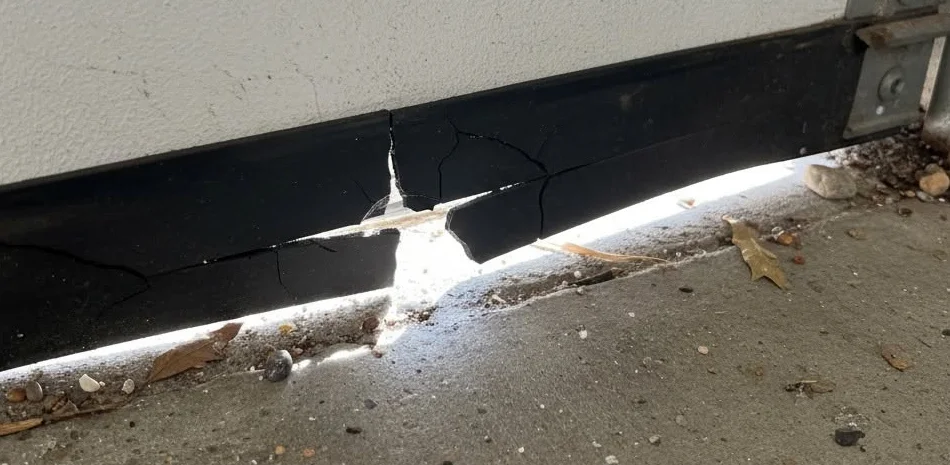
Restore Access Without Making the Damage Worse
When a garage door suddenly stops working, repeatedly pressing the opener button or attempting to force the door can be tempting. However, a garage door is a heavy moving system, and an unexpected failure can mean that a component responsible for supporting or guiding that weight is no longer functioning correctly. Emergency garage door repair services provide a safer way to determine why the door failed before further movement is attempted.
A door that will not open is one common emergency. If a vehicle is inside the garage, the failure can interfere with work, appointments, deliveries, or other daily plans. The opener may appear to be the problem, but a door that cannot move can also be affected by a broken spring, cable issue, track obstruction, displaced roller, or another mechanical condition. Diagnosing the complete system helps distinguish an opener problem from a door problem.
A door that will not close creates a different concern. An open garage can expose vehicles, equipment, stored belongings, or an interior entrance to the property. The cause may involve the opener, sensors, tracks, rollers, hardware, or another component. Identifying the actual problem is important because bypassing a safety feature or forcing the door closed may create additional hazards.
Uneven movement can also indicate an urgent condition. A door that rises higher on one side, hangs at an angle, or appears crooked in the opening may have a cable, roller, track, or lifting-system problem. Because the weight may no longer be distributed correctly, continued operation can place additional force on the remaining components.
Unusual sounds can provide another warning. A sudden snap, grinding noise, scraping sound, or loud impact may indicate that a component has broken or moved out of position. The safest response is not to assume the system remains suitable for use simply because the door can still move. The condition should be identified before normal operation continues.
A garage door service and repair assessment may examine several areas depending on the symptoms:
- Springs: Broken, damaged, or improperly functioning springs can affect the door’s balance and make the system difficult or unsafe to move
- Cables: Frayed, loose, disconnected, or snapped cables can interfere with balanced lifting and may cause one side of the door to move differently from the other
- Tracks and rollers: Bent tracks, displaced rollers, and alignment problems can prevent the door from following its intended path through the opening
- Garage door opener: Motor, drive, electrical, sensor, or control problems can interrupt automatic operation even when other door components remain intact
- Panels and hardware: Damaged sections, loose brackets, or displaced hardware can affect structural stability and interfere with normal door travel
- Safety functions: Sensors and other operating safeguards may need to be checked when the door reverses unexpectedly, refuses to close, or behaves inconsistently
An emergency repair should address the cause rather than only the immediate symptom. For example, moving a roller back toward the track without identifying why it came out may leave an alignment or structural problem unresolved. Similarly, replacing one damaged component without checking connected parts can overlook wear created by the same failure.
Securing the garage door is also important during diagnosis. If the door is hanging unevenly or partially open, its weight may need to be stabilized before components can be evaluated. High-tension parts such as springs and cables require particular caution because stored mechanical energy can create significant hazards when those components are damaged.
Once the condition has been identified, suitable replacement hardware or repair procedures can be selected. The exact work depends on what failed. A cable problem requires a different repair process from an opener failure, while an off-track door may need stabilization and realignment before normal movement can resume.
The door should then be tested after the repair. Full travel, balance, alignment, and relevant operating functions can be checked to confirm that the repaired system moves appropriately. Testing also provides an opportunity to identify connected issues that might otherwise remain unnoticed.
Respond Quickly When Your Garage Door Suddenly Fails
Knowing when a garage door problem needs prompt attention can help prevent an inconvenient failure from becoming a more serious mechanical or structural issue. A door does not need to be completely immobile to warrant emergency garage door repair. Any condition that affects safe movement, access, security, or the stability of the system may require timely attention.
A trapped vehicle is an obvious example. When the garage is the primary parking location and the door cannot open, normal transportation can be interrupted immediately. Attempting to force a heavy door upward can be dangerous when a spring, cable, roller, or other supporting component has failed. The safer approach is to determine what is preventing movement and address that condition first.
An unsecured opening can be equally urgent. If the door stops before closing or cannot remain in its closed position, the garage may no longer provide the expected barrier between the property and the outdoors. The priority becomes identifying the failure and restoring controlled closure without bypassing safety functions or forcing damaged components.
A visibly damaged door should also be treated carefully. A vehicle impact, severe misalignment, damaged panel, bent track, or displaced roller can alter the way the door’s weight is supported. Even if the opener still responds, automatic movement may worsen the condition. Disconnecting or operating components without understanding the failure can also create additional risk.
Emergency garage door repair companies may address both mechanical and electrical causes because the symptoms can overlap. An opener that hums while the door does not move could indicate an opener problem, but it may also be attempting to move a door that is mechanically restricted. A door that reverses could involve sensors or travel settings, but an obstruction or movement problem may also contribute. Diagnosis helps separate these possibilities.
The condition of the surrounding components should be considered as part of the repair. Garage door parts work together during every cycle, so one failure can place extra stress on another area. If a cable has snapped, for example, connected lifting components, the door’s position may need to be checked. If the door has moved off track, rollers, tracks, brackets, and alignment may all require attention.
Prompt garage door repair services can also help reduce the likelihood of additional damage caused by continued operation. A door that scrapes, binds, tilts, or stops unpredictably is already showing that normal movement has been interrupted. Each additional cycle may increase friction or stress on components that are no longer moving correctly.
After the immediate repair, the door should operate through its normal path without the symptom that caused the emergency. Movement should be observed from fully closed to fully open and back again when it is safe to do so. Balance, alignment, hardware, and automatic functions can be checked according to the nature of the repair.
Property owners should also pay attention to warning signs before a complete failure occurs. Frayed cables, unusual noises, uneven movement, delayed opener response, visible track damage, or a door that suddenly feels different during operation can indicate developing problems. Addressing these symptoms early may reduce the chance of being left with a trapped vehicle or unsecured opening later.
When emergency garage door repair in Winston-Salem, NC becomes necessary, the immediate goal is to identify the failure and restore safer, controlled operation. Whether the problem involves a spring, cable, roller, track, opener, panel, hardware, or another component, careful diagnosis helps determine the appropriate repair without relying on guesswork or repeated operation of a damaged system.
Frequently Asked Questions About Emergency Garage Door Repair
-
A garage door may need urgent attention when it traps a vehicle, will not close and leaves the property unsecured, hangs unevenly, comes off its tracks, has a broken spring or cable, or develops another condition that makes normal movement unsafe. Sudden mechanical, structural, and opener failures can all create situations that require prompt diagnosis.
-
No. A garage door hanging at an angle may have a cable, roller, track, spring, or other lifting-system problem. Continued operation can place additional stress on damaged or remaining components and may cause the door to shift further. Avoid repeatedly operating the system until the source of the uneven movement has been identified.
-
Several conditions can produce this symptom. The opener or drive system may have failed, but the door may also be restricted by a broken spring, damaged cable, track problem, displaced roller, or another mechanical issue. The complete system should be checked so the actual cause can be identified before the opener is operated repeatedly.
-
Avoid forcing the door or bypassing safety functions without knowing why it will not close. The problem may involve sensors, tracks, rollers, the opener, hardware, or another component. If the open door creates an immediate security concern, arrange prompt garage door emergency repair so the condition can be diagnosed and the opening can be secured appropriately.
-
Yes. Garage door components operate as a connected system, so a failure in one area can affect other parts. A cable failure may change the door’s balance, while an off-track condition can affect rollers, brackets, and track alignment. Connected components should be checked when diagnosing the failure and determining the appropriate repair.
Address Your Garage Door Emergency Today
A trapped vehicle, unsecured opening, or unstable garage door should not be ignored. Arrange prompt diagnosis and repair to address the failure and restore controlled operation.