Save $100 on New Garage Door Installation
Protect Daily Operation With Garage Door Maintenance Service in Winston-Salem, NC
Garage door maintenance service helps address routine wear across moving, lifting, and automatic components. Regular checks of rollers, cables, tracks, hinges, springs, and opener settings can identify developing concerns while supporting smoother operation.
Keep Your Garage Door Ready for Regular Use
A garage door depends on multiple mechanical components working together during every opening and closing cycle. Springs help counterbalance the door, cables support lifting movement, rollers follow the tracks, and hinges connect the sections. Automatic systems add motors, drive components, limits, and controls. Garage door maintenance provides routine attention to these areas before normal wear creates more noticeable operating problems.
Repeated use can gradually affect hardware, lubrication, alignment, and component condition. A door may begin making more noise, moving less smoothly, or operating differently than it once did. These changes can be early signs that part of the system needs attention.
Garage door preventive maintenance focuses on identifying those changes through regular observation and operating checks. Rollers and hinges can be reviewed for wear, tracks can be checked for alignment concerns, and cables can be examined for visible deterioration. Spring condition and balance can also be evaluated because changes in the lifting system may affect how the door moves.
Automatic opener components deserve attention as well. Chain or belt tension, travel limits, force settings, and applicable safety functions can influence everyday operation. Checking these areas helps identify whether the automatic system is working correctly with the mechanical door.
Preventative maintenance on garage doors creates an opportunity to address routine needs before a sudden malfunction interrupts access.
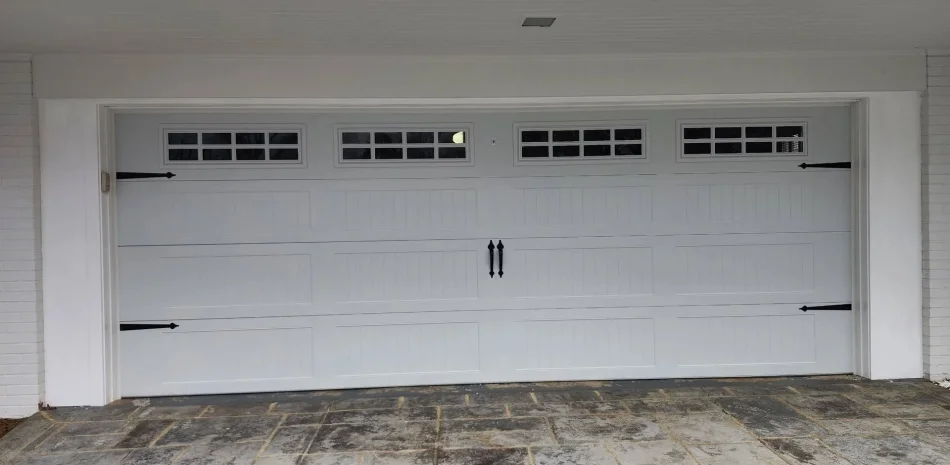
Support Smoother Movement With Preventive Care
Garage doors experience repeated motion, vibration, tension, and changing environmental conditions. Preventive care focuses on the parts affected by these conditions and looks for changes that may influence performance.
Rollers are one area to monitor. As rollers wear, they may become noisy, develop excess movement, or stop rotating as freely as intended. Garage door roller maintenance can include checking their condition and confirming that they travel through the tracks without unnecessary binding.
Hinges and related hardware also experience movement during each cycle. Loose hardware can contribute to vibration and noise, while worn hinges may affect how connected sections move as the door transitions into the overhead tracks.
Cables should be observed for visible fraying, corrosion, or other deterioration. These components operate as part of the lifting system and should remain properly positioned. Damaged cables should not be handled casually because the garage door system can contain significant stored tension.
Garage door maintenance services may include:
- Roller checks: Rollers can be examined for wear, restricted movement, damage, or other conditions that may contribute to friction and rough door travel
- Cable evaluation: Lifting cables can be checked for visible fraying, corrosion, looseness, or positioning concerns that may require further attention
- Track observation: Tracks can be reviewed for alignment, damage, obstructions, or conditions that interfere with a smooth roller travel path
- Hinge checks: Hinges and connected hardware can be examined for wear or looseness that may affect section movement during opening and closing
- Spring evaluation: Spring condition and door balance can be reviewed to identify changes in the counterbalancing system
- Opener checks: Chain or belt tension, travel limits, force settings, controls, and applicable safety functions can be evaluated for correct operation
- Movement testing: The garage door can be operated through its travel range to identify unusual noise, hesitation, vibration, or uneven movement
These checks help establish how the complete system is operating rather than focusing only on a single component. A noise that appears to come from the opener, for example, may actually result from resistance elsewhere in the door.
Routine maintenance also provides a useful point of comparison over time. Changes in sound, movement, balance, or component condition can become easier to identify when the system receives regular attention.
Address Routine Wear Before It Interrupts Access
Preventive maintenance is most useful before a garage door stops working. A system can continue opening and closing while rollers wear, hardware loosens, or alignment gradually changes. Paying attention to these conditions can reduce the chance that small concerns go unnoticed.
Weather and regular use can both contribute to wear. Moisture may affect exposed metal components, while repeated operating cycles place ongoing demands on springs, rollers, hinges, cables, and opener parts. The amount of attention a door needs can vary depending on how frequently it operates and the conditions around it.
Garage door spring adjustment may be considered when balance checks indicate a tension concern, but spring work requires careful handling because these components store significant mechanical energy. A worn or damaged spring may require replacement rather than adjustment.
Automatic operation should also be observed for changes. A door that stops at an incorrect position, reverses unexpectedly, or begins moving differently may require attention to opener settings, safety components, or the mechanical door itself.
Preventive care does not eliminate normal component wear. Springs have operating cycles, rollers can deteriorate, cables can develop damage, and automatic components can eventually require repair. Maintenance instead creates opportunities to identify these conditions before they become more disruptive.
A regular maintenance schedule can be especially useful for garage doors that experience frequent operation. Residential doors may serve as a primary daily entrance, while commercial doors can support repeated vehicle, employee, or equipment access throughout the workday.
For garage door maintenance service in Winston-Salem, NC, routine attention to tracks, rollers, cables, hinges, springs, balance, and opener settings can help keep developing wear visible. Addressing appropriate maintenance needs as they appear supports smoother operation and helps prepare the system for continued daily use.
Frequently Asked Questions About Garage Door Maintenance
-
Maintenance frequency can depend on how often the garage door operates, its condition, and the environment around it. Regular checks provide an opportunity to identify wear, loosened hardware, alignment changes, or unusual movement before those conditions become more disruptive.
-
Maintenance can include checks of rollers, tracks, cables, hinges, springs, hardware, door balance, and applicable opener components. Chain or belt tension, travel limits, controls, force settings, and safety functions may also be evaluated according to the system.
-
Yes, when the noise is related to routine wear, friction, loose hardware, or another maintenance-related condition. New grinding, scraping, rattling, or squeaking should be evaluated because damaged components may require repair or replacement rather than a basic adjustment.
-
No. Mechanical and automatic components can wear out over time even when routine maintenance is performed. Regular attention can help identify developing conditions earlier, but broken springs, damaged cables, worn rollers, or failed opener components may still require separate repair.
-
The opener works with the mechanical garage door rather than independently from it. Checking travel limits, controls, drive tension, force settings, and applicable safety functions can help identify automatic operating concerns while confirming that the opener and door are working together correctly.
Keep Routine Garage Door Wear in Check
Maintain smoother operation with regular attention to moving components, lifting hardware, balance, and opener settings. Ask about available military, veteran, senior, and returning customer discounts.