Save $100 on New Garage Door Installation
Regain Automatic Access With Garage Door Opener Repair in Winston-Salem, NC
Garage door roller repair addresses worn, cracked, damaged, or stuck rollers that can cause noisy and uneven door movement. Replacing damaged rollers and checking track clearances can reduce friction while helping the garage door follow a smoother path during daily operation.
Correct Worn Rollers for Smoother Door Travel
Garage door rollers guide the door through its tracks every time the system opens and closes. As these components wear, the door may become louder, move roughly, or develop unnecessary friction. Garage door roller repair addresses damaged or deteriorated rollers so the door can travel more consistently through its intended path.
Rollers can develop problems in several ways. Wheels may crack or wear down, bearings can deteriorate, and rollers can become difficult to rotate. A damaged roller may scrape, wobble, or drag instead of moving freely through the track. These conditions can create additional resistance during operation and place more stress on connected components.
The track should also be considered during roller repair. A replacement roller still needs suitable clearance and alignment to move correctly. If a track is bent, obstructed, or positioned incorrectly, a new roller may continue to experience unnecessary friction.
Garage roller door repair should therefore examine both the rollers and their travel path. Worn components can be removed and replaced with suitable nylon or steel rollers based on the door configuration. Track clearances can then be checked so the new rollers remain properly seated as the door moves.
Once repairs are completed, the door should be cycled through its operating range. Watching each roller move through the vertical, curved, and horizontal portions of the track helps confirm smoother travel and identify any remaining alignment concerns.
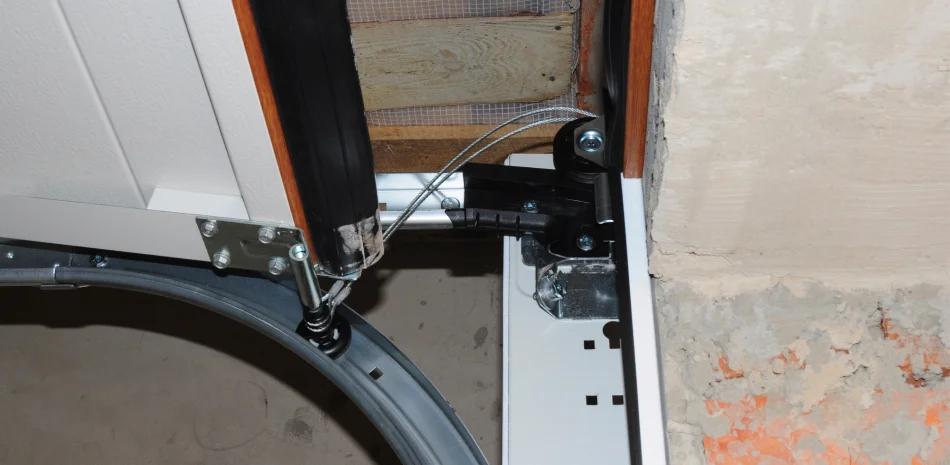
Reduce Noise and Friction With Proper Roller Repair
A noisy garage door does not always mean the opener is failing. Rollers are moving components that travel through the tracks during every operating cycle, and their condition can have a noticeable effect on both sound and movement.
A worn roller may create rattling, grinding, squeaking, or scraping noises. The exact sound can vary depending on the roller material, bearing condition, track clearance, and severity of wear. Changes in sound are worth investigating when they occur alongside rough or inconsistent door movement.
Roller garage door repair can also address visible deterioration. Cracks, flattened areas, excessive wobbling, damaged bearings, or a wheel that no longer turns correctly can interfere with smooth travel. Continuing to operate a damaged roller may increase friction against the track.
Nylon and steel rollers are common replacement options. The appropriate choice depends on the garage door and operating requirements. Regardless of material, the replacement roller should correspond with the system and move freely through the track without excessive side-to-side movement.
Track clearance is another important consideration. Rollers need enough room to travel while remaining properly guided. A track that presses too tightly against a roller can increase resistance, while incorrect positioning may contribute to unstable movement.
Garage door roller repair and replacement may involve:
- Roller condition checks: Wheels and bearings can be evaluated for cracks, wear, binding, wobbling, or other damage that interferes with normal movement
- Damaged roller removal: Worn or broken rollers can be removed carefully while accounting for the position of the door and connected hardware
- Replacement roller selection: Suitable nylon or steel rollers can be chosen according to the garage door configuration and operating requirements
- Track clearance checks: Roller spacing within the tracks can be reviewed to identify areas that create excessive friction or restrict movement
- Alignment evaluations: Track positioning can be checked when uneven roller travel suggests that the guide path may be contributing to the problem
- Movement testing: The door can be cycled after repair to confirm that replacement rollers remain seated and move smoothly throughout the tracks
Garage door rollers work alongside hinges, tracks, cables, springs, and other components. A roller problem can therefore affect more than the wheel itself. Excessive resistance can make the door harder to move and may cause other parts of the system to work against added friction.
Replacing worn rollers helps remove one source of that resistance. Correct track clearances and alignment further support the repair by giving the new rollers a suitable path through which to travel.
Address Roller Wear Before Movement Becomes Rough
Rollers experience repeated movement throughout the working life of a garage door. Every cycle sends them through straight and curved track sections while they support and guide the moving door. Gradual wear is therefore expected, but noticeable deterioration should not be ignored.
One warning sign is a change in movement. The door may begin jerking, vibrating, or hesitating as it travels. A roller that does not rotate freely can drag through the track instead of rolling, creating resistance that may be visible or audible during operation.
Another sign is increased noise. Some garage doors naturally make more sound than others, but new grinding, scraping, or rattling can indicate developing roller or track concerns. Examining the guide system can help determine whether worn rollers are contributing to the change.
Visible roller damage is also significant. Cracks, worn wheel surfaces, loose movement around the stem, or damaged bearings can indicate that replacement is appropriate. A roller that has moved partially out of the track should be treated carefully because the door may no longer be fully guided.
Roll-up garage door repair involving rollers should also account for track condition. Replacing the wheel without correcting a damaged travel path can leave the underlying source of friction unresolved. The roller and track should work together with enough clearance for movement while maintaining proper guidance.
After replacement, the door’s full travel should be observed. The rollers should transition smoothly between track sections without catching or binding. Unusual movement can indicate that additional alignment or clearance adjustments are needed.
Timely garage door roller repair can help reduce noise, friction, and unnecessary strain before a worn roller contributes to a larger movement problem. It can also restore a smoother feel to a door that has gradually become rougher during operation.
For garage door roller repair in Winston-Salem, NC, worn wheels, damaged bearings, increased noise, rough travel, or visible roller deterioration are signs that the guide system needs attention. Suitable replacement rollers, appropriate track clearance, and final movement testing can help restore smoother and quieter garage door operation.
Frequently Asked Questions About Garage Door Roller Repair
-
Worn rollers may produce grinding, rattling, squeaking, or scraping sounds. The door may also move roughly, vibrate, or hesitate. Visible cracks, damaged wheel surfaces, excessive wobbling, or rollers that do not rotate freely can also indicate deterioration that may require replacement.
-
Yes. A damaged or worn roller may drag, wobble, or make irregular contact with the track instead of rotating smoothly. This can create additional rattling, scraping, grinding, or squeaking. Track condition and alignment should also be checked because they can contribute to unwanted operating noise.
-
Nylon and steel rollers are common options. The suitable roller depends on the garage door configuration, operating requirements, and existing system. Correct sizing and fit are important so the replacement roller can remain properly guided while moving freely through the track.
-
Yes. The rollers depend on the tracks for their travel path. Bent sections, poor alignment, obstructions, or incorrect clearance can cause friction even after a roller is replaced. Checking the tracks helps determine whether another condition contributed to the original roller wear.
-
Continued operation can increase friction and place additional stress on the roller, track, and connected components. A severely damaged or displaced roller may also affect how securely the door remains guided. Addressing the condition before further deterioration can help prevent a larger movement problem.
Restore Smoother Garage Door Travel
Address worn, cracked, or stuck rollers before added friction affects door movement. Proper replacement and track clearance can help restore quieter, more consistent travel.