Save $100 on New Garage Door Installation
Keep Doors Running Smoothly With Garage Door Tune-Ups in Winston-Salem, NC
Garage door tune-ups address routine wear before small operating concerns have a chance to develop into larger problems. Lubrication, hardware checks, spring tension evaluation, track alignment, and balance testing can help support smoother movement and consistent everyday operation.
Maintain Smooth and Consistent Garage Door Movement
A garage door relies on multiple moving parts every time it opens and closes. Rollers travel through the tracks, hinges allow the sections to move, springs counterbalance the door’s weight, and hardware holds the system together. Garage door tune-ups provide an opportunity to check these components and address routine wear before it causes noticeable operating problems.
Over time, repeated cycles can loosen hardware and increase friction between moving parts. The door may become noisier, movement may feel less smooth, or minor alignment concerns can begin affecting the way rollers travel through the tracks.
A garage door tune-up service can include lubrication of appropriate moving components, checking spring tension, tightening hardware, evaluating track alignment, and testing door balance. Each step focuses on maintaining the mechanical conditions needed for controlled movement.
An annual garage door tune-up can also help identify developing concerns that may not yet prevent the door from operating. A roller may be showing wear, hardware may have loosened, or the door may be gradually moving out of balance.
Routine attention does not prevent every component from eventually wearing out. It can, however, provide an opportunity to identify changes in operation and make suitable adjustments before they contribute to unnecessary friction, noise, or strain.
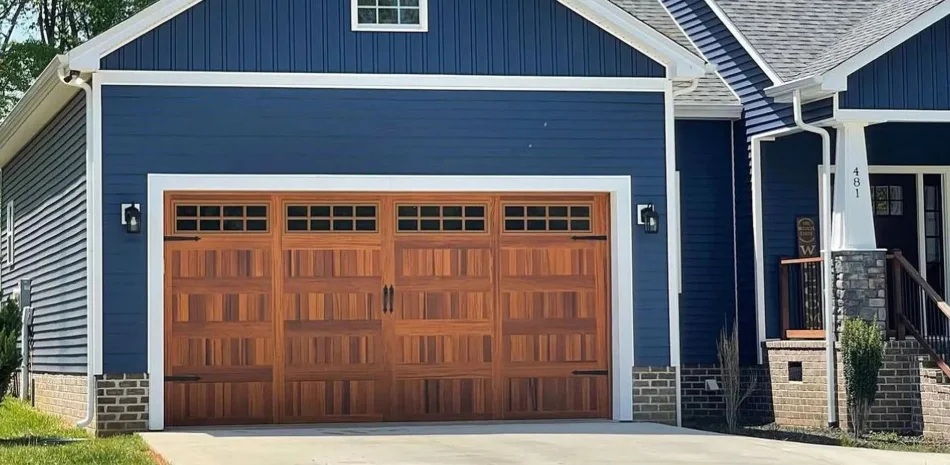
Reduce Friction and Catch Wear Before It Spreads
Garage doors experience repeated mechanical movement, making gradual wear a normal part of operation. A tune-up focuses on areas where that wear can influence movement, noise, alignment, and balance.
Lubrication is one important part of routine care. Appropriate moving components can develop additional friction when lubrication breaks down. Applying suitable lubricant where required can support smoother movement while reducing unnecessary metal-on-metal contact.
Hardware should also be checked. Repeated movement and vibration can gradually loosen certain fasteners. Tightening appropriate hardware helps keep components correctly secured and can reduce rattling associated with loose connections.
Tracks provide the travel path for the rollers. They should remain positioned so the rollers can move without binding or unnecessary resistance. Track alignment concerns can contribute to rough movement and may place additional strain on rollers and other connected parts.
Spring tension and door balance are closely connected. Springs counterbalance the weight of the door so it can move in a controlled manner. Changes in spring condition can affect how heavy the door feels and how much work the opener must perform.
Garage door tune-ups can include:
- Lubrication checks: Appropriate moving components can be lubricated where needed to reduce unnecessary friction and support smoother movement during operation
- Hardware tightening: Suitable nuts, bolts, brackets, and related hardware can be checked for looseness caused by repeated movement and vibration
- Spring evaluation: Spring condition and tension can be reviewed for changes that may influence the balance and lifting behavior of the garage door
- Track alignment checks: Track positioning can be evaluated to identify conditions that may cause rollers to bind, scrape, or travel unevenly
- Roller observation: Rollers can be checked for visible wear, damage, or restricted movement that may contribute to noise and increased friction
- Balance testing: Door balance can be evaluated to determine whether the lifting system is supporting controlled movement throughout normal operation
These checks can help identify changes before they become obvious failures. For example, increased noise may come from worn rollers, loose hardware, or friction rather than a single major component problem.
A tune-up also provides an opportunity to observe the complete operating cycle. Watching the door open and close can reveal hesitation, uneven movement, unexpected sounds, or other changes that deserve closer attention.
Give Routine Wear Attention Before a Breakdown
A garage door may continue operating even while components gradually loosen, wear, or move out of adjustment. Because these changes often develop slowly, they can be easy to overlook until the door becomes noticeably noisy or difficult to operate.
Routine tune-ups create a regular opportunity to evaluate the system before that point. Instead of waiting for a component to stop working, the door can be checked for early signs of friction, alignment changes, balance concerns, and hardware wear.
Noise is one useful indicator. A door that suddenly develops new rattling, grinding, squeaking, or scraping sounds may have a component that needs attention. The source should be identified rather than assuming every sound can be corrected with lubrication.
Movement can provide additional clues. A door that hesitates, shakes, travels unevenly, or feels unusually heavy may need more than a basic adjustment. Tune-up checks can help determine whether routine maintenance is appropriate or whether a worn component requires a separate repair.
Garage door tune-up specials can make routine care easier to plan. The standard tune-up price is normally $125, with a $25 discount currently available for this service. Recurring customer discounts may also be available for customers who continue maintaining their garage door over time.
Regular attention is particularly useful for doors that experience frequent daily cycles. The more often a garage door operates, the more movement its rollers, hinges, springs, and other components experience.
Garage door tune-ups in Winston-Salem, NC can help maintain smoother operation by addressing lubrication, hardware, alignment, spring tension, and balance. Routine checks also provide an opportunity to identify developing wear before a small operating change becomes a more disruptive problem.
Frequently Asked Questions About Garage Door Tune-Ups
-
A tune-up can include lubrication of appropriate moving parts, hardware checks, spring tension evaluation, track alignment checks, roller observation, and balance testing. The exact attention needed can vary according to the condition and configuration of the garage door.
-
An annual garage door tune-up can provide a regular opportunity to identify wear, loosened hardware, increased friction, or changes in balance. Doors that operate frequently may benefit from closer attention based on their usage and operating condition.
-
A tune-up may reduce noise when the cause involves friction, loose hardware, or another maintenance-related condition. Grinding, scraping, or other unusual sounds can also indicate damaged parts, so the source of the noise should be identified before assuming lubrication will correct it.
-
No. Springs, rollers, cables, and other components can eventually wear or fail even when routine care is performed. Tune-ups help identify developing conditions and address suitable maintenance needs, but damaged or worn-out components may still require separate repair or replacement.
-
Increasing noise, rough movement, vibration, loosened hardware, or changes in door balance can indicate that the system needs attention. Routine checks can also be scheduled before symptoms appear so the moving components and hardware are reviewed periodically.
Save $25 on Your Garage Door Tune-Up
Keep routine wear from going unnoticed with lubrication, adjustment, alignment, and balance checks. Take advantage of the current $25 tune-up discount.